
The evolution of casinos A journey through history and culture
The Origins of Gambling
The history of gambling dates back thousands of years, with evidence found in ancient Chinese, Roman, and Egyptian civilizations. These early forms of betting were often tied to religious ceremonies and social gatherings, demonstrating that the allure of chance and risk was embedded in human culture from the outset. Dice, one of the earliest gambling tools, were discovered in archaeological digs, indicating that humans have long been fascinated by the unpredictability of outcomes. If you’re interested in experiencing this thrill, you canplay aviator online to see the excitement unfold.

In ancient Rome, gambling became a popular pastime among citizens, despite attempts by lawmakers to regulate and restrict it. This reflects a societal struggle between the enjoyment of risk and the desire for order. As gambling evolved, it began to attract attention from the elite, leading to the establishment of formal venues where betting could be conducted more openly.
The Rise of the Modern Casino
The establishment of the modern casino can be traced back to the 17th century in Europe, particularly in Italy. The first official casino, the Casino di Venezia, was opened in 1638, setting the stage for a new era of gambling that would evolve throughout the continent. These establishments catered to the wealthy, offering an atmosphere of luxury alongside the thrill of gaming. The word “casino” itself, derived from the Italian term for “little house,” highlighted the social aspect of gambling during this period.
As the 19th century approached, casinos began to spread across Europe, notably in places like Monte Carlo and Baden-Baden. These venues not only featured games of chance but also served as social hubs for the upper classes. The combination of opulence, entertainment, and the potential for big wins created a unique cultural phenomenon that still resonates today.
The American Casino Experience
The migration of gambling culture to America saw its first significant developments in the 19th century with the establishment of gaming halls in cities like New Orleans. As the country expanded westward during the Gold Rush, gambling became an integral part of the frontier experience. The allure of striking it rich quickly transformed these establishments into essential community hubs for both entertainment and commerce.
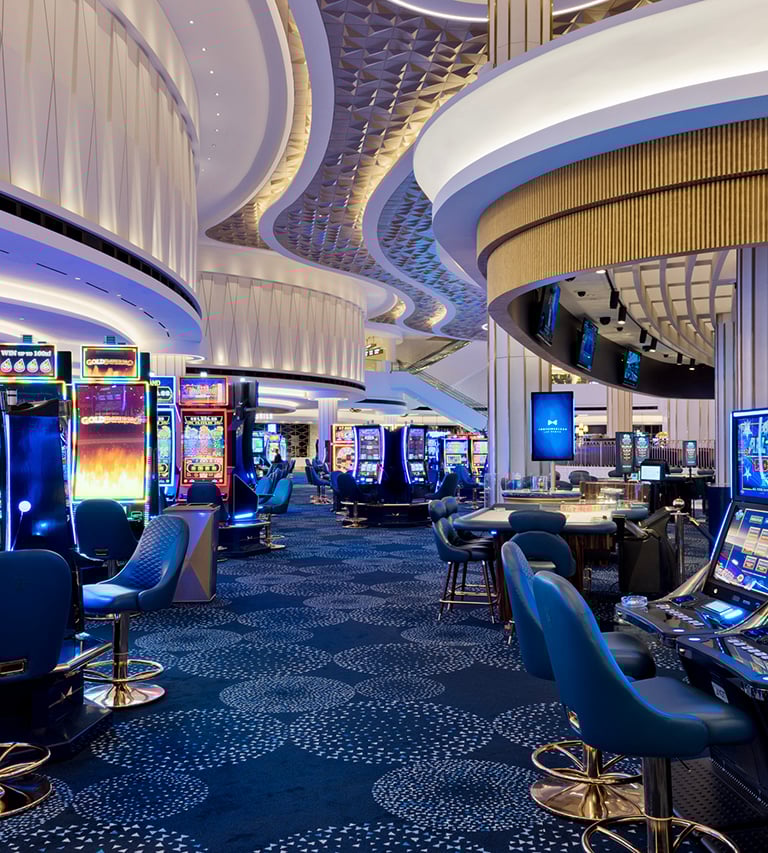
The legalization of gambling in states such as Nevada in the early 20th century marked a significant turning point. Las Vegas emerged as the epicenter of American gambling culture, showcasing extravagant casinos that offered everything from slot machines to lavish shows. The evolution of gaming regulations and the development of iconic resorts transformed Las Vegas into a global destination for gamblers and tourists alike.
The Digital Revolution and Online Casinos
The advent of the internet in the late 20th century revolutionized the casino industry, giving birth to online gambling platforms. These virtual casinos made gaming accessible to a broader audience, allowing players to enjoy their favorite games from the comfort of their homes. The convenience of online gambling marked a significant shift in how people engage with games of chance.
With advancements in technology, online casinos now offer immersive experiences, including live dealer games and mobile applications. This evolution has led to new opportunities for players worldwide, creating a diverse online gaming culture that complements traditional venues. The growth of online gambling continues to shape the future of casinos, blending history with modern technology.
Exploring the Future of Casinos
The future of casinos is poised for further transformation as technology continues to innovate. Virtual reality and augmented reality are emerging trends that could redefine the gambling experience, offering players a more interactive and engaging environment. Additionally, the integration of blockchain technology promises transparency and security, addressing concerns about fairness in gaming.
As casinos adapt to these changes, they will continue to serve as cultural landmarks that reflect societal values and trends. The journey of casinos through history and culture underscores the enduring appeal of gambling as a form of entertainment, social interaction, and economic activity.