
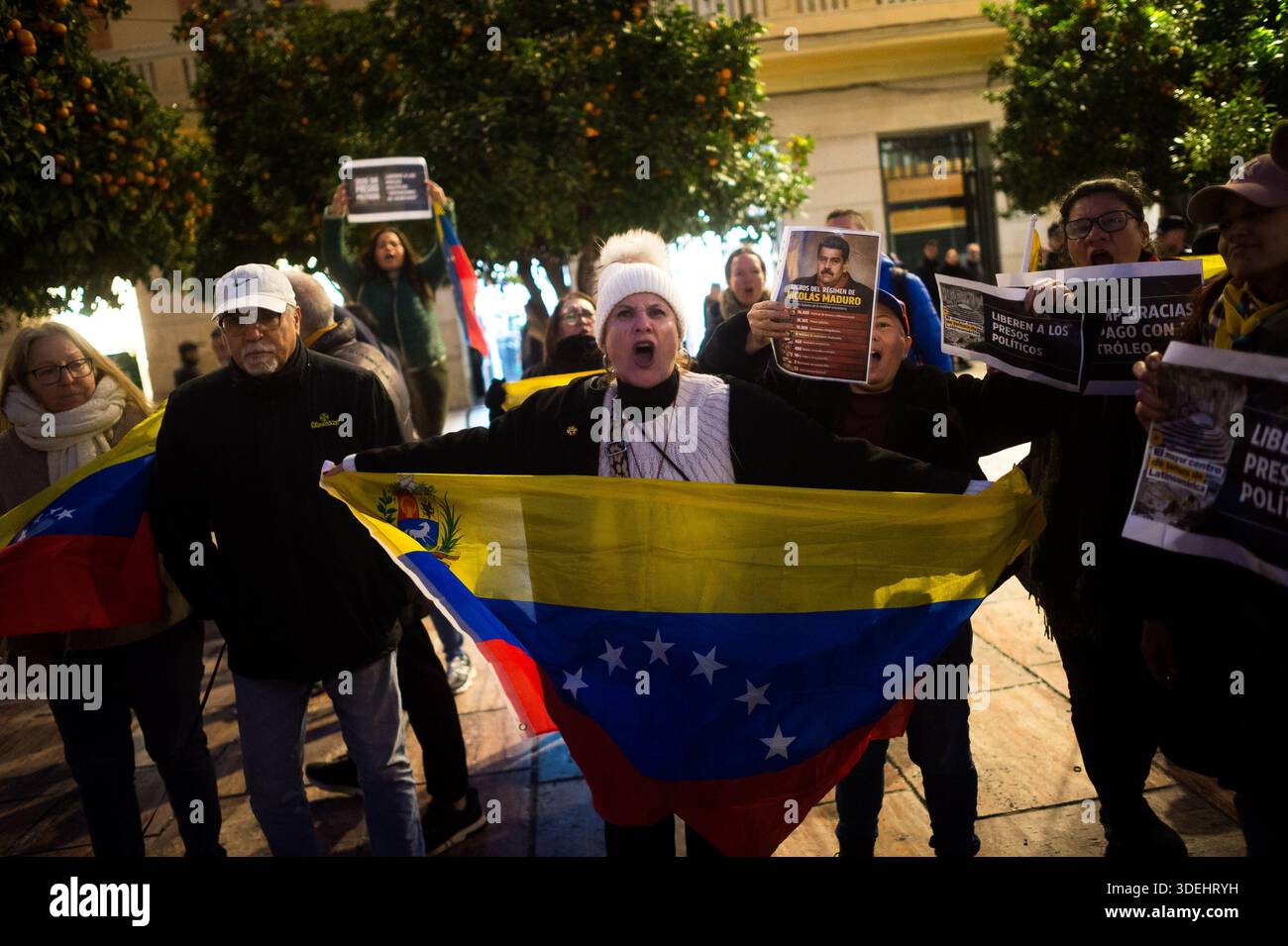
Understanding the Extradition Process in Venezuela
The extradition process in Venezuela represents a complex interplay of legal provisions, political considerations, and international relations. This article aims to explore the framework governing extradition in Venezuela, the challenges faced by the judiciary and law enforcement, and its implications for both domestic and international law.
1. Legal Framework for Extradition in Venezuela
The legal framework for extradition in Venezuela is primarily governed by its Constitution, various laws, and international treaties. The Constitution of the Bolivarian Republic of Venezuela establishes that extradition can only be granted in cases where it is supported by a treaty or when the requested person has been charged with a crime that is punishable under Venezuelan law.
Key legislation defining the procedural aspects of extradition includes the Penal Procedural Code and the Organic Law on Extradition. These laws outline the procedural steps that must be followed, including the necessary documentation and the roles played by the public prosecutor’s office and judges in the decision-making process.
2. Types of Crimes Subject to Extradition
Venezuelan law allows extradition for crimes that are also recognized as offenses under Venezuelan legislation. Such crimes typically include drug trafficking, terrorism, human trafficking, and organized crime. In cases where a person is extradited, they can only be tried for the charges that led to their extradition, and they cannot be subjected to harsher penalties than those stipulated in Venezuelan law.
3. Extradition Treaties and International Obligations
Venezuela has entered into numerous extradition treaties with various countries, indicating its commitment to international cooperation in criminal matters. These treaties often emphasize mutual legal assistance and establish specific procedures for extradition requests. Despite these treaties, political factors and diplomatic relations can heavily influence the likelihood of extradition being granted.
For instance, the Venezuelan government has been known to refuse extradition requests based on political persecution claims or accusations that the requesting country does not uphold human rights standards. This consideration complicates the extradition process, raising questions about the balance between fostering international cooperation and protecting individual rights.
4. The Role of the Judicial System
The judicial system in Venezuela plays a critical role in the extradition process. The decision to grant or deny an extradition request is typically made by a court, which assesses the legality of the request based on Venezuelan law and the existing treaties. However, concerns about the independence of the judiciary in Venezuela have raised questions about the fairness of these proceedings.
Critics argue that political interference often impacts judicial decisions, potentially leading to biased outcomes in extradition cases. The perception of a politicized judiciary undermines confidence in the extradition process and raises compliance issues with international legal standards.
5. Challenges in the Extradition Process
The extradition process in Venezuela faces numerous challenges, including but not limited to:
- Political Interference: As mentioned, the perceived lack of judicial independence means that political considerations might outweigh legal ones.
- Human Rights Concerns: There are fears that extradited individuals might be subjected to mistreatment or human rights violations upon their return, complicating the decision for the Venezuelan authorities.
- Bureaucratic Hurdles: The extradition process can often be lengthy, with complex requirements and significant bureaucracy hindering timely processing.
- International Relations: Diplomatic tensions with countries that submit extradition requests can lead to refusals and impact the overall effectiveness of the extradition system.
6. Case Studies and Precedents
To fully understand the extradition process in Venezuela, it is essential to analyze specific cases that have captured international attention. Such cases often reveal the complexities involved and the factors influencing decisions. Notable examples include:
– The case of several Colombian nationals accused of drug trafficking, whose extradition was denied amid allegations of political motive behind the requests.
– The refusal to extradite a high-profile political figure to the United States, which the Venezuelan government cited as politically motivated persecution.
These cases illustrate the intersection of law, politics, and international relations, underscoring the intrinsic challenges within the Venezuelan legal system.
7. The Impact of Current Political Climate
The ongoing political crisis in Venezuela has exacerbated existing challenges in the judicial system, contributing to a tightening of extradition rules and increasing the likelihood of political motivations overshadowing legal principles. Domestic unrest and international isolation complicate the balancing act between adhering to international obligations and safeguarding national interests.
Conclusion
The extradition process in Venezuela is a reflection of the country’s complex legal, political, and international dynamics. While there are legal frameworks in place designed to facilitate extradition, numerous challenges—ranging from political interference to human rights concerns—complicate actual practices.
As the global landscape continues to evolve, Venezuela’s approach to extradition may need to adapt, aligning more closely with international norms while addressing the pressing issues at home. Understanding the intricacies of this process provides insight into not only Venezuela’s legal system but also its position in the broader international community.